
The Ultimate Furnace Tune-Up Checklist
Most furnaces in DFW sit untouched from March until the first cold snap in November, then get asked to run hard the same week the temperature drops into the thirties. That’s exactly when the calls start. A furnace that seemed fine in spring won’t light, or it’s making a noise it isn’t used to, or it’s running constantly and still not keeping up.
More than 6,862 households across DFW trusted us with over 19,900 completed jobs during the past year. As temperatures drop, many of the furnace repairs we perform stem from maintenance that was skipped before winter arrived. This guide walks through the complete tune-up process, explains which tasks homeowners can perform, which require specialized equipment, and how to recognize when a furnace is nearing the end of its service life.
Why a Fall Tune-Up Matters More Than People Think
Three things happen when a furnace runs a whole heating season without service. It gets less safe, because combustion problems and cracked heat exchangers go unnoticed. It gets less efficient, because a dirty burner and a clogged filter make it burn more gas for the same heat. And it gets less reliable, because the small failing parts that a tune-up would have caught, an igniter on its last legs, a flame sensor coated in residue, keep limping along until they quit on the coldest night of the year.
That last point is why we push maintenance so hard. Most homes we service see us two to three times a year, and about 42 percent of the households we work with are on a maintenance plan specifically so the furnace gets looked at before the heating season, not during a breakdown. In some markets that runs higher still; in Allen, a full 50 percent of the customers we serve are members. The pattern is always the same: the homeowners who tune up in the fall are not the ones calling us at midnight in January.
When To Schedule: Timing Your Tune-Up
The sweet spot in DFW is late September through October. You want the furnace serviced after the cooling season winds down but before you actually need heat, for two reasons.
First, availability. Once the first hard cold front hits, every HVAC company in the metroplex is buried in no-heat calls, and a tune-up that could have been scheduled at your convenience in October becomes a wait behind emergencies. Second, lead time. If the tune-up turns up a part that needs replacing or a furnace that’s near the end, you want to find that out with weeks to spare, not on the night the heat quits.
If you’ve already blown past that window and it’s December, don’t skip it, just book it. A mid-season tune-up still catches problems, and a furnace that’s been running a few weeks is better diagnosed hot than not at all.
The Homeowner’s Part of the Checklist
Some of a tune-up is genuinely DIY, and doing these few things between professional visits keeps the system healthier. None of them require tools beyond a flashlight.
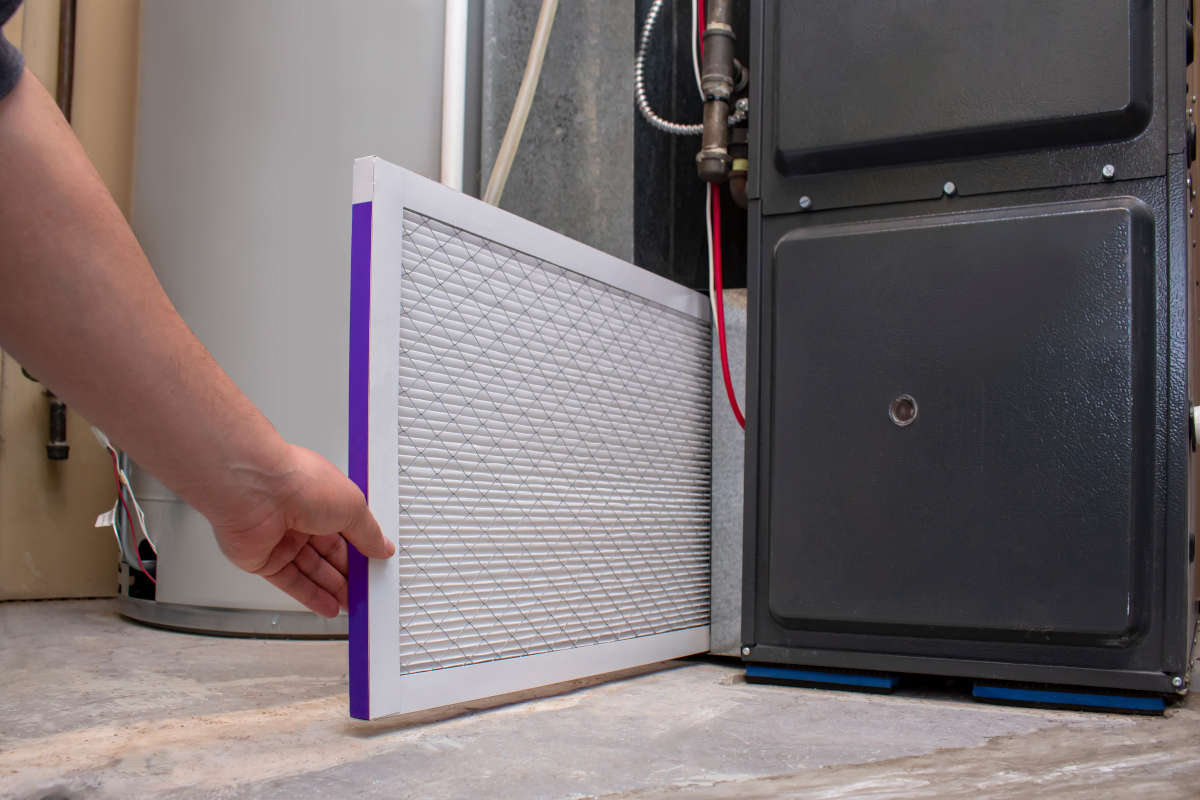
- Replace the air filter. This is the single most important thing you can do, and the most neglected. A clogged filter chokes airflow, which makes the furnace work harder, run longer, and in bad cases overheat and trip its safety limit. In the heating season, with the system running daily, check it monthly and change it every one to three months.
- Clear the area around the furnace. Furnaces need combustion air and space. Move stored boxes, laundry, and anything flammable well back from the unit. A furnace in a cramped closet starved for air won’t burn cleanly.
- Check your vents and registers. Walk the house and make sure supply and return vents are open and unblocked by furniture or rugs. Closing off too many rooms actually strains the system rather than saving money.
- Test the thermostat. Switch it to heat before the season and confirm it fires. Fresh batteries solve a surprising number of “furnace won’t turn on” calls. If your thermostat is old, this is a good moment to consider an upgraded thermostat that manages the schedule for you.
- Listen and smell on the first startup. The first burn of the season usually produces a brief dusty smell as summer dust burns off the heat exchanger, which is normal. A smell that lingers, or any noise that’s new, is worth noting for your technician.
What a Frymire Tech Actually Does on a Tune-Up
Here’s the professional side, the part that needs training, tools, and in the case of the gas and combustion checks, a license. This is roughly the sequence a tech runs on a furnace maintenance visit.
Inspect the heat exchanger
Arguably the most critical part of a furnace inspection is evaluating the heat exchanger. This component keeps combustion gases, including carbon monoxide, isolated from the air circulating through your home. Even a small crack can allow dangerous gases to escape into the living space.
Test combustion and gas pressure
The tech confirms the furnace is burning at the manufacturer’s rated input, checks gas pressure, and inspects the gas connection for leaks. A furnace burning rich or lean wastes fuel and can produce more CO, so this dials the combustion back to where it should be.
Clean and inspect the burners
Burners collect dust, rust, and debris over a season, which disrupts the flame pattern. The tech cleans them and checks that each one lights and burns evenly, with the clean blue flame you want rather than a lazy yellow one.
Check the igniter and flame sensor
These two parts cause a large share of no-heat calls. A hot surface igniter wears out and eventually won’t glow hot enough to light the burners. A flame sensor coated in residue can’t confirm the flame, so it shuts the gas off as a safety measure and the furnace short cycles or won’t stay lit. The tech tests both and cleans the flame sensor, which is a common quiet fix.
Measure temperature rise and airflow
The tech compares the supply and return air temperature against the furnace’s designed range. A rise that’s too high points to an airflow restriction, often that clogged filter or a blower problem, and running outside the range shortens the furnace’s life.
Inspect the blower and motor
The blower moves the heated air through the house, and a blower wheel packed with dust moves less of it. The tech inspects and cleans the assembly and checks the motor’s amp draw against spec.
Test safety controls and the thermostat
The limit switch, pressure switch, and other safeties all get verified to confirm they shut the furnace down when they should. The tech also confirms the thermostat is calling correctly and the system responds.
Check the venting and condensate (on high-efficiency units)
The flue has to carry combustion gases safely out of the house, so the tech confirms it’s clear and drawing. On high-efficiency condensing furnaces, there’s also a condensate drain that can clog, so that gets checked too.
Efficiency: Getting More Heat for Less Gas
A tune-up is the foundation of an efficient furnace, but a few things stack on top of it, and they’re worth knowing because they show up on your gas bill all winter. The filter comes first, again, because nothing wastes more energy quietly than a furnace fighting a clogged filter. Beyond that, sealing and insulating help enormously: a furnace can be running perfectly and still cost you a fortune if the heated air leaks out through gaps around windows, doors, and un-sealed ductwork.
Speaking of ducts, leaky ductwork in an unconditioned attic can dump a serious fraction of your heated air into the attic before it ever reaches a room, which is why duct cleaning and sealing pays off in a way that isn’t obvious until you see the bill drop.
Warning Signs Your Furnace Needs Repair, Not Just Maintenance
A tune-up catches most problems early, but sometimes a furnace is already past the point of routine service. These are the signs that mean it’s time to call for furnace repair rather than waiting for the next scheduled visit.
- Short cycling, where the furnace turns on and off rapidly without completing a heating cycle, often an airflow, flame sensor, or oversizing issue.
- Weak or no heat, where the furnace runs but the air isn’t warm, which can point to a failing igniter, a gas supply problem, or a burner issue.
- Loud or new noises, a bang on startup (which can signal delayed ignition, worth taking seriously), a persistent squeal, or a grinding blower.
- A yellow burner flame instead of blue, which can indicate a combustion problem and possible carbon monoxide risk.
- A spike in your gas bill with no change in weather or usage, which usually means the furnace is working harder than it should.
- The carbon monoxide detector going off, which is an immediate leave-the-house-and-call situation, not a maintenance item.
If you don’t have a working CO detector near your sleeping areas, put that at the top of your list before anything else in this guide. It’s the cheapest safety device in the house and the only thing that catches the failure a tune-up is designed to prevent.
Repair or Replace: How To Know When It’s Time
Age is the big one. A well-maintained furnace often runs 15 to 20 years, so once yours passes the 15-year mark and starts needing repairs, replacement enters the conversation. The math tips toward a new unit when a major repair, a heat exchanger or a control board, lands on a furnace that’s already old, because you’d be putting an expensive part into a system near the end anyway.
A cracked heat exchanger on an older furnace almost always means replacement rather than repair, both because the part is costly and because it’s a safety issue you don’t want to revisit. And a furnace that’s needed repeated repairs across a couple of seasons is usually costing more in the aggregate than a new, efficient unit would. When it does come time, a properly sized furnace replacement resets the clock and typically cuts your gas usage, since efficiency has improved a lot over the last couple of decades.
For cost context without quoting a price on your specific situation: the average DFW household we work with invests around $2,500 a year across all its home comfort services, and a seasonal tune-up sits at the very low end of that. A furnace replacement is the bigger number, but it’s also a once-in-15-years number.
Frequently Asked Questions About Furnace Maintenance
How often should I have my furnace serviced?
Once a year, ideally in the fall before the heating season starts. If your system is a heat pump that both heats and cools, it works year-round and benefits from two visits a year, one before summer and one before winter.
Can I do a furnace tune-up myself?
You can do part of it. Changing the filter, clearing the area around the unit, checking vents, and testing the thermostat are all fair homeowner tasks. The combustion, gas pressure, heat exchanger, and safety-control checks require training and tools and, for the gas side, a license, so those are the professional part of the visit.
How long does a professional furnace tune-up take?
Plan on about an hour for a single furnace in good condition. If the tech finds a fault that needs attention, they’ll stop and explain what they found and what it costs before doing anything beyond the maintenance itself.
Is a furnace tune-up really worth the money?
For most homes, yes. The tune-up catches the small failures that cause the expensive midwinter breakdowns, keeps the furnace running efficiently so you burn less gas, and verifies the safety systems that protect against carbon monoxide. The homeowners on our maintenance plan tend to avoid the no-heat emergencies entirely, which is the whole point.
What's the most common reason a furnace won't turn on?
In our experience it’s often the simplest things first: a thermostat set wrong or with dead batteries, or a filter so clogged the furnace trips its safety limit. After that, a worn igniter or a dirty flame sensor are the frequent culprits. A tune-up catches all of these before they leave you without heat.
My furnace smells like it's burning dust when it first turns on. Is that a problem?
Usually not. The first time a furnace runs after sitting idle all summer, dust that settled on the heat exchanger burns off and produces a brief smell that clears in an hour or so. If the smell lingers, smells like burning plastic or electrical, or comes with any other symptom, shut it off and have it looked at.
Furnace Maintenance Across Dallas and DFW
A furnace tune-up in October is the cheapest heating decision you’ll make all year, and it’s the one that keeps you off our emergency schedule in January. We’ve kept DFW homeowners warm for more than 65 years, from Dallas and Denton to Plano, Frisco, and Fort Worth, and we’ll tell you straight whether your furnace needs a tune-up, a repair, or an honest conversation about replacement.
Take a look at our furnace maintenance services, or if your furnace is already acting up, our heating repair team can get you sorted before the next cold front.
Call Frymire at (972) 367-0004 or contact us online today to schedule furnace service in Dallas, TX.