
Don’t Ignore These Noises from Your Heater
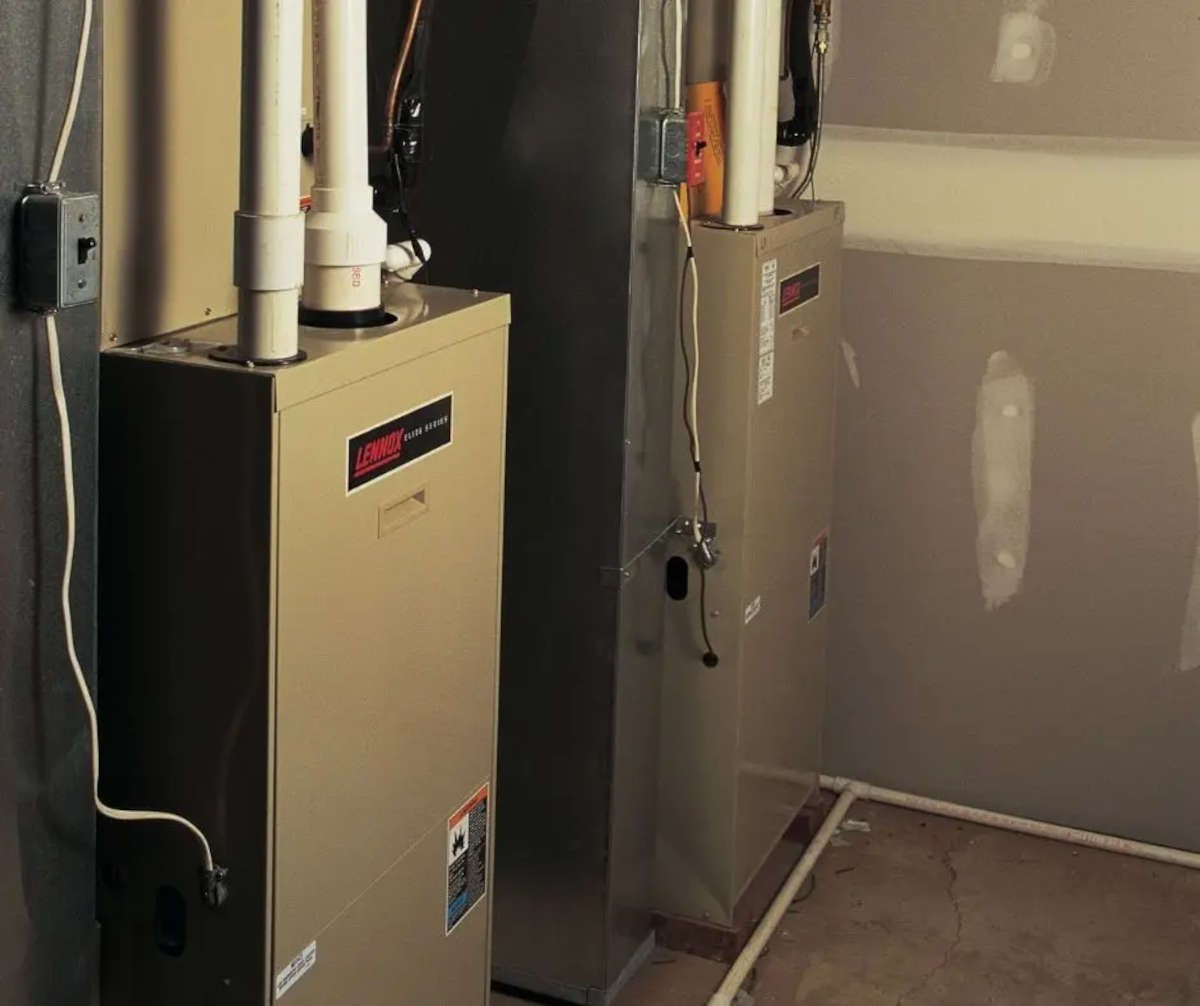
Most furnaces don’t fail quietly. Before a real breakdown, they usually tell you something’s off through sound, and figuring out which sound you’re hearing gets you most of the way to knowing whether it’s a five-minute fix or a reason to shut the system down right now.
We hear about this constantly once the weather actually turns. A furnace that’s sat untouched since spring gets asked to run for hours at a stretch, and whatever dust, wear, or loose part had been quietly building up finally has a reason to announce itself. Last year our technicians closed out close to 19,800 heating and cooling jobs across the DFW area, and heating calls built almost entirely around “it’s making a sound it didn’t used to make” are one of the most common versions of that call we get, right alongside no-heat emergencies, once temperatures actually drop in Fort Worth, Dallas, and everywhere in between. Here’s the breakdown our techs actually use.
The Six Sounds Worth Knowing Before Your Furnace Fails Completely
Not every furnace noise means the same thing, and lumping them all together as “the furnace is acting weird” makes it harder to know how urgently to act. Some of these sounds are annoying but harmless in the short term. Others are your furnace’s way of telling you something is actively unsafe. Here’s how to tell the difference, sound by sound.
|
Sound |
Likely Cause |
Urgency |
|
Banging/popping |
Delayed ignition |
Same day |
|
Squealing |
Belt or motor lubrication |
Schedule soon |
|
Scraping |
Loose blower fan |
Schedule soon |
|
Rumbling |
Flame combustion issue |
Same day |
|
Clicking |
Failing igniter/flame sensor |
Schedule soon |
|
Humming/buzzing |
Electrical component wear |
Schedule soon |
Banging or Popping
You turn up the thermostat, wait a beat, and hear a bang or a sharp pop right before the blower kicks on. Don’t wave this one off.
The most common cause is delayed ignition. Dirt or grime built up on the burners keeps them from lighting the instant gas starts flowing, so gas has a few extra seconds to accumulate before it finally catches. What lights isn’t a gentle flame, it’s a small, sudden ignition of built-up gas, and that mini explosion can be forceful enough to rattle the heat exchanger and eventually crack it. A cracked heat exchanger is a genuine safety issue, since it can let carbon monoxide leak into the home’s air supply instead of venting outside where it belongs. Banging on startup is one of the few furnace noises that deserves a call the same day you hear it, not a “we’ll get to it” appointment.
Squealing
A squeal from the furnace or coming through the vents is usually the least serious noise on this list, though it’s still worth addressing before it becomes something bigger.
Squealing most often points to the blower motor needing lubrication, or a fan belt that’s worn, stretched, or slightly misaligned. On its own, it’s rarely a safety concern. Left alone long enough, though, a failing belt or a dry motor bearing can seize up entirely, and that’s the point where the blower stops moving air and the house stops getting warm right when you need it most.
Scraping or Screeching
This one usually sounds exactly like what it is, metal grinding against metal, and it often comes paired with a noticeable drop in airflow and slower heat reaching the vents.
The likely cause is a blower fan that’s worked its way loose from its mount, so instead of spinning freely it’s now grinding against a bearing or housing every rotation. Beyond the noise itself, a fan running out of alignment can’t move air the way it’s supposed to, which means the system works harder and runs hotter than it should. That’s a setup for premature shutdowns, or worse, a motor failure that turns a repair into a bigger job.
Rumbling
A low, steady rumble coming from around the furnace deserves a closer look than most people give it, because it can point to a flame that isn’t burning the way it should.
If you’re comfortable checking safely, look at the pilot flame or burner flame through the viewing window. It should be a steady blue. If it’s flickering orange or yellow instead, that’s a sign of incomplete combustion, which can mean the same carbon monoxide risk mentioned above with delayed ignition. Shut the system off and call a technician rather than waiting to see if it corrects itself.
Clicking
Some clicking is completely normal, a single click or two as the system starts up or shuts down as metal components expand and contract with temperature. Repeated or rapid clicking that continues through a cycle is different. That pattern often points to a failing igniter trying and failing to light the burners, or a flame sensor that’s dirty enough to be misreading whether the flame is actually present. Either way, a furnace that’s repeatedly trying and failing to ignite isn’t one to keep resetting on your own.
Humming or Buzzing
A persistent hum or buzz, especially one that gets louder over time, usually traces back to something electrical rather than mechanical: a failing capacitor, a loose electrical connection, or a motor under more strain than it should be. This isn’t typically an emergency the way a gas smell or a yellow flame is, but it’s not a sound to let run for weeks either, since electrical components that are struggling tend to get worse, not better, on their own.
What to Do When You Hear One of These
For anything on this list that isn’t an immediate safety concern, like squealing or a mild scraping sound, it’s reasonable to schedule a heating repair visit rather than treat it as urgent.
For anything involving a banging startup, a rumble paired with a flame that isn’t blue, or a smell of gas, the right move is different: turn off the system at the thermostat, and if you smell gas, turn off the gas supply to the unit and leave the area before calling for furnace repair. These aren’t “wait and see” situations.
Either way, don’t keep resetting a system that’s making one of these sounds and hoping it works itself out. A furnace that’s struggling to ignite correctly or running with a compromised heat exchanger doesn’t fix itself by being restarted again.
Furnace Noise Questions We Hear Often
Is it normal for a furnace to make any noise at all when it starts up?
Yes. A soft whoosh of air, a brief click from the igniter, or a faint tick from ductwork expanding is normal. What isn’t normal is a bang, a sustained rumble, grinding, or a noise that’s new and getting louder over successive cycles.
Can I just clean the burners myself to fix a banging noise?
We’d recommend against it. Burner assemblies sit close to gas components and the heat exchanger, and cleaning them incorrectly can create a bigger safety problem than the one you started with. This is a job for a trained technician, not a weekend project.
How quickly does a cracked heat exchanger need to be fixed?
Immediately. A cracked heat exchanger is a carbon monoxide risk, not a comfort issue, and most technicians will recommend shutting the system down until it’s repaired or replaced rather than continuing to run it in the meantime.
My furnace only makes noise during the first cold snap of the year. Is that a coincidence?
Not really. A system that’s been sitting idle for months accumulates dust on components and can develop small issues that only show up once it’s asked to run for hours at a time. It’s also exactly why fall maintenance exists, to catch those issues before the system is under real seasonal demand.
Does a squealing noise always mean the whole blower motor needs replacing?
No. Often it’s a belt or a lubrication issue that’s far less expensive to address than a full motor replacement. The only way to know which one you’re dealing with is to have a technician actually listen to it and inspect the components, rather than assuming the worst from the sound alone.
Don’t Wait for the Sound to Turn Into a Breakdown
A furnace rarely fails without warning you first. If yours is making a noise it didn’t used to make, that’s information worth acting on, not something to tune out until the next cold morning turns into a cold house. Most of these sounds point to a repair, not a furnace replacement, but a technician can tell you which one you’re actually facing.
If your furnace is making any of these sounds anywhere in the Dallas–Fort Worth area, Frymire Home Services can diagnose the cause and explain what it actually means before recommending a repair.
Call us today at (469) 200-2305 or contact us online to get it looked at.